


World

Two US Fighter Jets Downed as Rescue Missions Intensify Amid Iran Conflict
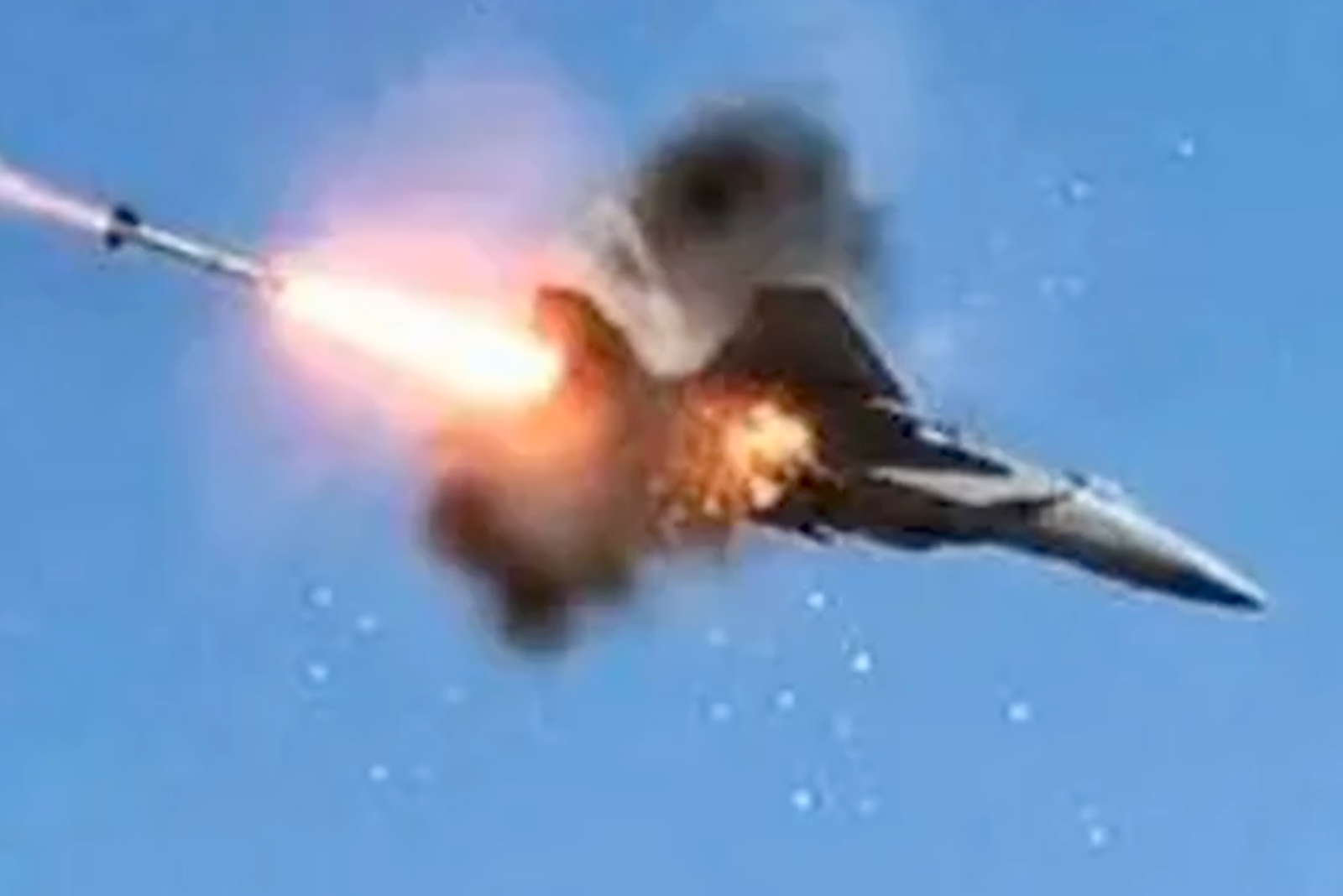
The conflict between the United States, Israel, and Iran expanded further on Friday after reports emerged that two US military aircraft were brought down during operations linked to the ongoing war in the region.
According to multiple American outlets citing US officials, the first aircraft involved was a twin-seat F-15E Strike Eagle that was reportedly shot down over Iranian territory.
One of the two crew members has already been located and safely rescued, while search and rescue teams continue efforts to determine the status and location of the second crew member.
Iranian sources initially claimed the aircraft was a newer F-35 stealth jet, but defense analysts reviewing the released wreckage images said the debris, including an ejection seat and structural fragments, is more consistent with an F-15 platform.
A second US military aircraft, identified by US media as a single-seat A-10 Thunderbolt II, reportedly managed to leave Iranian airspace before its pilot ejected safely and was later rescued.
This means that two of the three pilots linked to the two incidents have now been brought to safety, while one remains unaccounted for.
The military developments come as former US President Donald Trump escalated rhetoric against Iran, warning that future strikes could target bridges and power plants across the country.
In a post on Truth Social, Trump declared that US military actions had “not even started destroying what’s left in Iran,” specifically naming electric power facilities and major infrastructure bridges as potential next targets.
Iranian military spokesman Ebrahim Zolfaghari responded with a direct warning, saying any attack on the country’s power grid would trigger immediate retaliation.
He further claimed that Israeli energy systems, IT networks, and regional companies with American financial ties could face severe consequences, raising fears of cyber and infrastructure attacks across the wider Middle East.
The statement also referenced the Stargate UAE AI infrastructure project in Abu Dhabi, a major US-backed initiative involving OpenAI, suggesting such strategic projects could become part of future retaliation scenarios.
The rapidly widening conflict now threatens to spread beyond direct military exchanges into critical infrastructure, energy, and technology sectors throughout the region.
What's your reaction?
0

AWESOME!
0

LOVED
0

NICE
0

LOL
0

FUNNY
0

EW!
0

OMG!
0

FAIL!
Popular News
Recent News
Comments
Leave a Reply